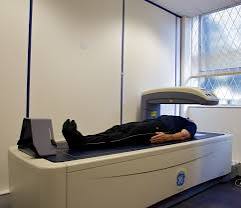
I had my first DEXA body scan this week at the Human Performance Lab at Boise State. For those of you who haven’t done one, it’s basically a machine that tells you exactly what your body is made of — bone, muscle, and fat. It is the truth teller. The whole truth teller. And apparently it does not care about your feelings.
Let me set the stage.
I stepped on the scale and weighed 123 pounds. For someone who once weighed 185, that number still feels pretty damn good. I’ve been strength training, hiking, skiing, climbing at the climbing gym, and preparing for my next half marathon. So naturally I was expecting my DEXA scan to say something like:
“Congratulations Deborah. You are practically made of steel and determination.”
Instead the machine politely informed me that my body fat is 30.1%.
Thirty. Point. One. I was devastated!
At 123 pounds I was honestly shocked that my body fat could be that high. I had a brief moment where I wondered if perhaps the machine needed to be recalibrated… or maybe if I had accidentally stepped into the scanner with a winter coat on.
Now, to be fair, normal body fat for women is considered 20–30%, so technically I am… barely… within shouting distance of normal.
But still.
30.1%.
That “.1” felt a little personal.
The great news from the scan is that every other number fell into normal ranges. Even better, I learned that I am no longer osteopenic, which was wonderful news. Strong bones at age 70? I’ll happily take that win.
The scan did reveal one thing I need to improve: my lean muscle mass is on the low side of normal. Translation: I need more muscle.
The good news is that the fix is actually pretty simple, and it lines up with what I’ve already been working toward.
First, creatine stays in the program. It’s one of the most studied supplements out there and supports both muscle and brain health. I’ve been taking creatine monohydrate and will continue doing so (with plenty of water).
Second, protein matters more than ever. Not just how much protein, but how it’s distributed during the day. Apparently our muscles respond best when we give them a decent amount of protein at each meal. So instead of having a big protein dinner and calling it good, the goal now is consistent protein throughout the day. I will be increasing my protein goal from 100g daily to about 110–120g per day.
Third, more lifting.
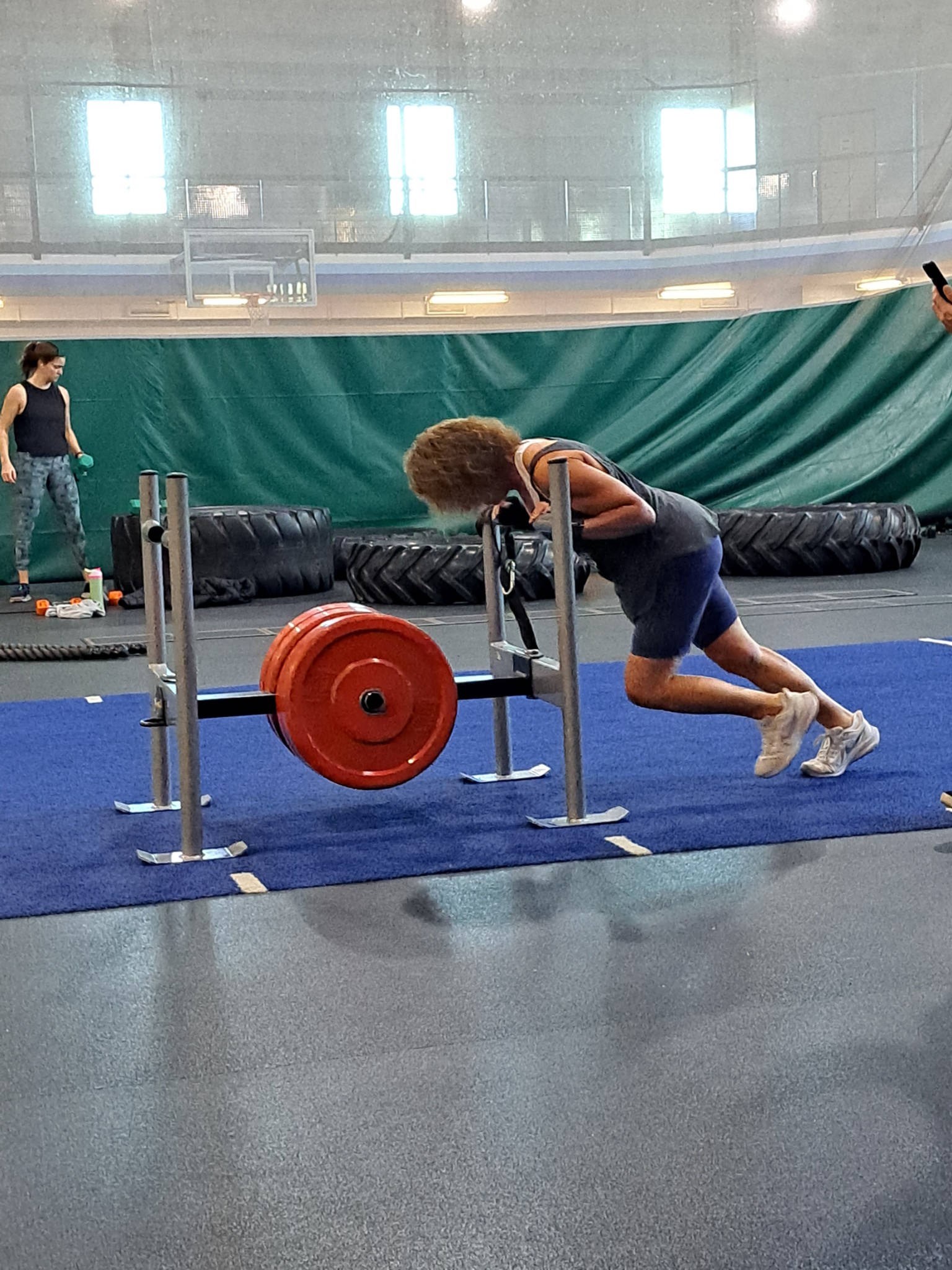
Up until now I’ve typically been strength training two to three days a week. The new plan is three to four days a week. More time under the barbell means more stimulus for muscle growth. And the more muscle I build, the better that next DEXA scan will look.
Here’s the funny part about all of this.
At age 70 I am deadlifting 150 pounds, hiking mountains, and training for races. A few years ago I had never lifted a weight in my life. So while the DEXA scan may not have crowned me the Lean Muscle Queen of Boise, it did give me something I’ve learned to appreciate over the years:
A new goal.
And if there’s one thing I’ve discovered on this journey, it’s that goals keep life interesting.
So the mission going forward is clear:
- Keep taking creatine
- Eat more protein and spread it throughout the day
- Lift three to four days a week instead of two to three
And then… we’ll see what that next scan says.
Although next time, I may still step into the machine hoping it says:
“Congratulations Deborah. You are now officially made of steel and determination.”

 Debby’s Fitness Journey
Leave a reply to Jane Gatzke Cancel reply