So let’s break it down — no science degree required.
First: What are “macros”?
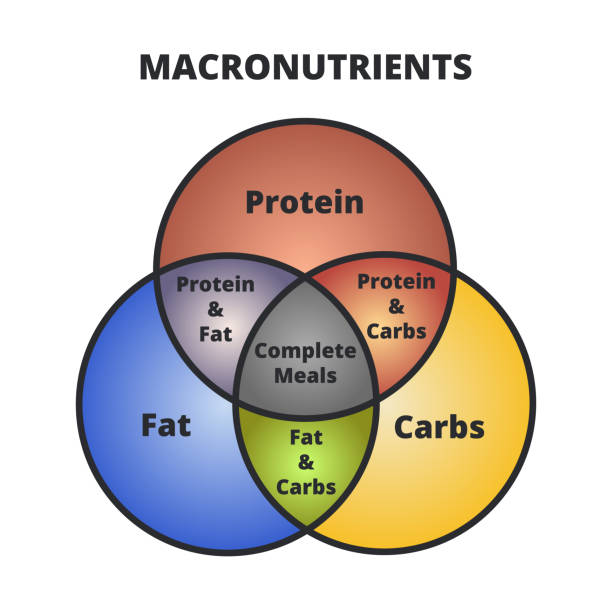
Macros is short for macronutrients — the three main types of food your body needs:
- Protein
- Carbohydrates
- Fat
That’s it.
Not magic. Not a diet trend. Just food.
Every calorie you eat comes from one (or more) of these three.
Why macros matter more than calories alone
Calories tell you how much you’re eating.
Macros tell you what kind of calories you’re eating.
And that matters because:
- Protein builds and repairs muscle
- Carbs fuel your body and brain
- Fat supports hormones and keeps you full
You can eat the same number of calories and get very different results depending on where those calories come from.
The 3 macros — explained like you’re not a bodybuilder
🥩 Protein: the “keep you strong” macro
Protein helps:
- Preserve muscle as we age
- Keep you full longer
- Support recovery from workouts
Examples:
- Chicken, fish, eggs
- Greek yogurt, cottage cheese
- Protein powder
If you’re active or over 40, protein is not optional.
🍞 Carbs: the “energy” macro
Carbs are not the enemy.
Your body runs on them.
Examples:
- Fruits and vegetables
- Rice, potatoes, oats
- Bread and pasta
The goal isn’t zero carbs — it’s smart carbs in reasonable amounts.
🥑 Fat: the “don’t fear it” macro
Fat:
- Helps absorb vitamins
- Supports hormones
- Makes food taste good
Examples:
- Olive oil, avocado
- Nuts and seeds
- Butter (yes, butter — just not a stick a day)
Fat is calorie-dense, so a little goes a long way.
So what does “tracking macros” mean?
Tracking macros simply means:
- Paying attention to how much protein, carbs, and fat you eat
- Not just guessing
- Not starving yourself
- Not cutting out entire food groups
It’s awareness — not punishment.
The biggest macro myth
“Macros are only for athletes or bodybuilders.”
False.
Macros are especially helpful for:
- Women over 50
- People trying to lose fat without losing strength
- Anyone frustrated by diets that stop working
A simple way to think about meals
Instead of stressing, aim for this at most meals:
- ✔️ A protein
- ✔️ A fiber-rich carb (fruit or veggie)
- ✔️ A healthy fat
That’s it. No perfection required.
Why macros changed things for me
I thought exercise alone would do the job.
It didn’t.
Learning about macros helped me understand:
- Why I was hungry all the time
- Why the scale wouldn’t budge
- Why I felt tired even though I was “eating healthy”
This wasn’t about restriction — it was about education.
Final thought
If diets have failed you, it’s not because you lack discipline.
It’s because no one explained the basics.
Macros aren’t complicated.
They’re just information.
And information is power.


 Debby’s Fitness Journey
Leave a reply to Sonya Hart Cancel reply