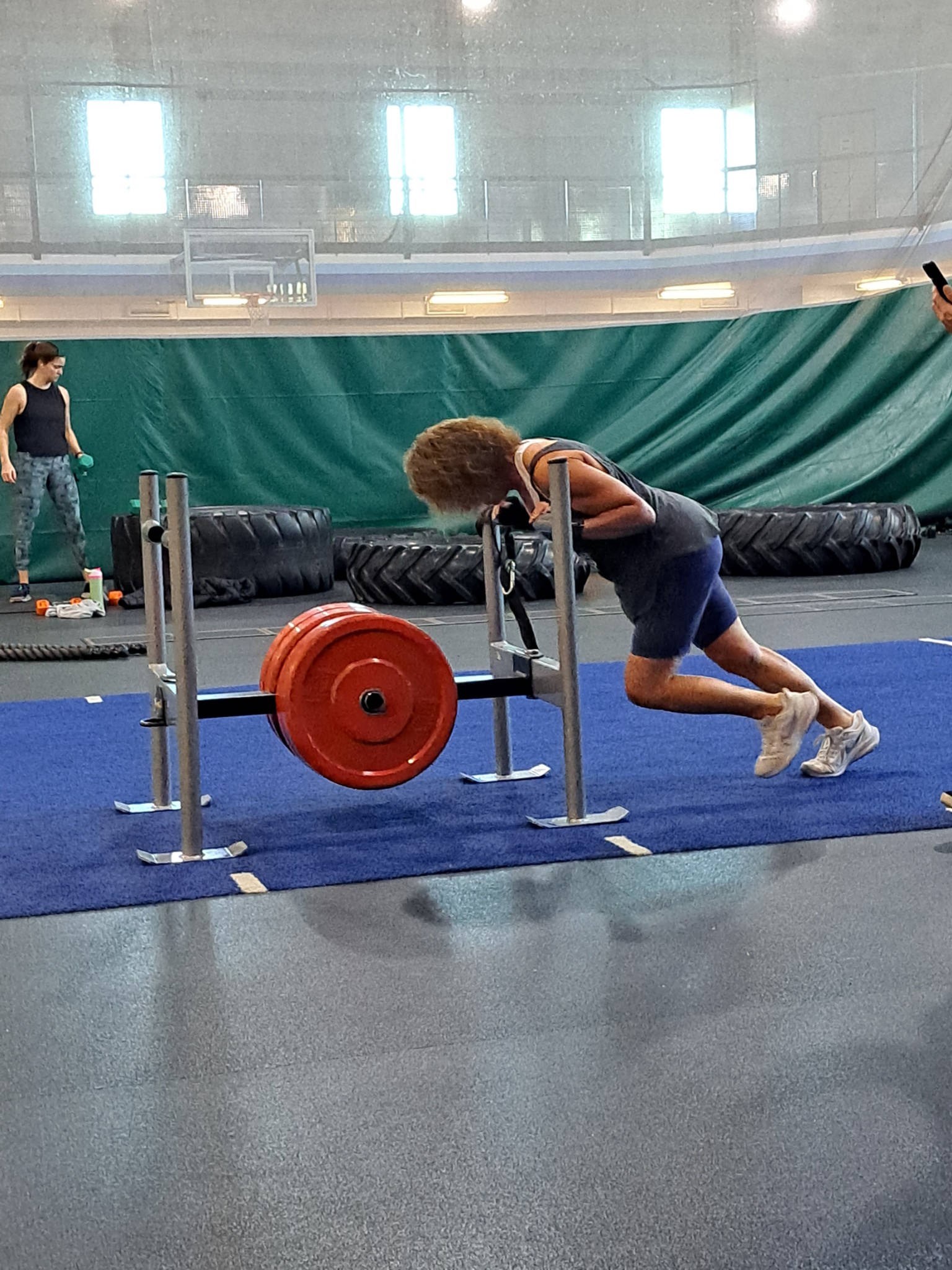
When most people hear the word creatine, they picture 25-year-old bodybuilders in tank tops trying to get bigger biceps.
But here’s the truth: creatine is actually one of the most studied supplements in the world, and its benefits go far beyond the weight room.
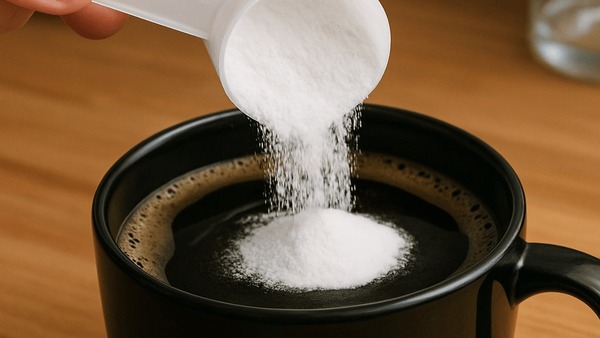
I take 5 grams of creatine every morning in my coffee, and it has become one of the simplest and most impactful habits in my daily routine.
Creatine and Strength
Let’s start with the obvious benefit.
Creatine helps your muscles produce energy during high-intensity exercise. That means better performance when lifting weights, sprinting, or doing anything that requires power.
For someone like me who strength trains regularly, that matters. At age 70, anything that helps me maintain strength and muscle as I age is worth paying attention to.
Muscle isn’t just about looking fit. It’s about longevity, mobility, and independence.
But the Real Surprise: Brain Health
What many people don’t realize is that creatine is also important for the brain.
Just like muscles, the brain uses creatine to produce energy. Researchers are now studying creatine for its potential benefits in:
- Cognitive performance
- Mental clarity
- Memory
- Neurological protection
While the science is still evolving, some studies suggest creatine may help support brain energy metabolism and cognitive function, especially as we age.
I can’t prove it scientifically in my own case, but I’ll tell you what I notice.
I feel sharper.
More clear-minded.
More mentally focused.
A Personal Reason I Care About Brain Health
This topic is deeply personal for me.
My mother has dementia. Her sister had dementia as well.
When you see something like that in your family, you start thinking differently about the future. You start asking a simple question:
What can I do today that might protect my brain tomorrow?
No supplement can guarantee prevention of dementia. Anyone who tells you that is selling something.
But creatine is safe, inexpensive, and heavily researched, and early research on brain health is promising enough that I’m happy to include it in my routine.
A Few Important Tips
If you decide to try creatine, here are a few things I’ve learned:
• Choose creatine monohydrate. It’s the form that has been studied the most and is considered the gold standard.
• Buy a brand that is third-party tested. This means an independent organization has verified the purity and quality of the product. Supplements are not regulated as strictly as medications, so this matters.
• Drink plenty of water. Creatine pulls water into your muscles to help them function better. That’s one of the reasons it works, but it also means staying well hydrated is important.
One Small Habit That Might Matter
My philosophy about health has become very simple:
Small daily habits compound over time.
Strength training.
Walking.
Eating enough protein.
Getting good sleep.
And yes—taking creatine.
Is creatine a miracle?
No.
But if something can support both my muscles and my brain, costs just pennies a day, and has decades of research behind it…that’s a pretty easy decision.
At this stage of life, I’m not just training for the next workout.
I’m training for the next 20 or 30 years of living well.
And if a scoop of creatine in my morning coffee helps support that goal—even a little—I’m all in. 💪🧠
 Debby’s Fitness Journey
Leave a comment