If you’ve ever thought, “I just want to know what to eat, not earn another degree,” you’re not alone.
Macros don’t have to be confusing — even at 60+, even with a weight-loss goal. Let’s walk through a real-life example step by step using this woman:
- Age: 60
- Current weight: 170 lbs
- Goal weight: 135 lbs
- Activity level: Lightly active
- Goal: Lose 1–2 pounds per week
Step 1: Understand What “Macros” Are
“Macros” is short for macronutrients — the three nutrients that provide calories:
- Protein
- Carbohydrates
- Fat
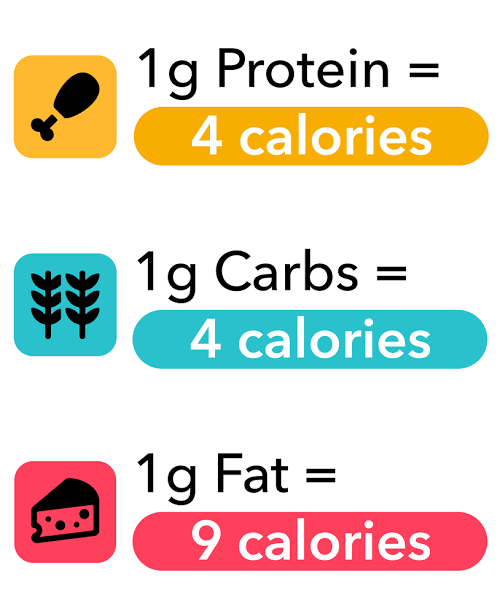
Each macro has a specific calorie value:
- Protein: 4 calories per gram
- Carbohydrates: 4 calories per gram
- Fat: 9 calories per gram
This matters because weight loss is driven by calories, but body composition, energy, and muscle retention are driven by macros.
Step 2: Estimate Daily Calorie Needs
For women over 60, metabolism slows, so aggressive calorie cuts backfire. We want sustainable fat loss, not muscle loss.
A 60-year-old woman at 170 lbs who is lightly active typically maintains weight around 2,000 calories per day (this is an estimate — individual needs vary).
To lose 1–2 pounds per week, you need a calorie deficit of 500–750 calories per day.
Target calorie range:
1,300–1,500 calories per day
For this example, we’ll use:
👉 1,400 calories per day
Step 3: Set Protein First (This Is Non-Negotiable)
Protein is critical after 60 to:
- Preserve muscle
- Support metabolism
- Reduce cravings
- Improve strength and recovery
A solid guideline for fat loss is:
0.8–1.0 grams of protein per pound of goal body weight
Goal weight: 135 lbs
Protein target: ~135 grams per day
Calories from protein:
- 135 g × 4 calories = 540 calories
Step 4: Allocate Fats (Hormones Matter)
Dietary fat supports:
- Hormones
- Joint health
- Brain function
A good range is 25–30% of total calories.
Fat calories (30% of 1,400):
- 420 calories from fat
Convert calories to grams:
- 420 ÷ 9 = 47 grams of fat
Step 5: Fill the Rest With Carbohydrates
Now we calculate what’s left for carbs.
Total calories: 1,400
- Protein: 540 calories
- Fat: 420 calories
Calories remaining for carbs:
- 1,400 − 960 = 440 calories
Convert to grams:
- 440 ÷ 4 = 110 grams of carbs
Final Macro Breakdown (Daily)
Calories: ~1,400
- Protein: 135 g (540 calories)
- Fat: 47 g (420 calories)
- Carbs: 110 g (440 calories)
Why This Works for Women Over 60
✔ Prioritizes protein to protect muscle
✔ Keeps calories low enough for fat loss
✔ Includes enough carbs for energy
✔ Includes enough fat for hormones and joints
✔ Sustainable — not extreme
This approach supports losing 1–2 pounds per week while maintaining strength and energy.
A Few Important Notes
- These numbers are a starting point, not a life sentence
- If weight loss stalls for 2–3 weeks, calories may need a small adjustment
- Strength training + walking makes these macros work even better
- Hitting protein consistently matters more than being perfect
The Bottom Line
Macros aren’t about restriction — they’re about intention.
When you eat with a plan, you’re no longer guessing, stressing, or starting over every Monday. You’re building a system that works with your body, not against it.
If you want help calculating your personal macros or learning how to hit them without obsessing, that’s exactly what this blog is here for 💪
 Debby’s Fitness Journey
Leave a comment